Hematocrit on Steroids: Thick Blood, Risks, and What to Watch
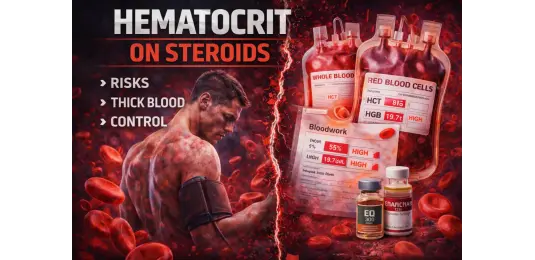
Most steroid users pay close attention to estrogen, prolactin, acne, or liver stress. But one of the most important health markers on cycle is often missed: hematocrit. When hematocrit climbs too high, blood becomes thicker, circulation gets less efficient, and cardiovascular strain goes up. That matters even more on cycles built around compounds from the injectable steroids category, where red blood cell production often rises over time.
This is not just a lab number that looks slightly off on paper. High hematocrit can increase blood pressure, make training feel worse, and add another layer of strain to an already stressed system. If you have already read our guides on high blood pressure on steroids or cholesterol on steroids, this topic fits right into that same health-management picture.
What Hematocrit Actually Means
Hematocrit is the percentage of your blood made up of red blood cells. Red blood cells are essential because they carry oxygen, but more is not always better. Once hematocrit rises too far, blood gets thicker and harder to move through the vascular system. That means your heart has to work harder to push it around.
On cycle, users usually care about performance, pumps, recovery, and body composition. The problem is that rising hematocrit can quietly work against all of that. You may not notice it early, but over time it can make you feel sluggish, winded, or unusually pressured during training.
Why Steroids Can Raise Hematocrit
Anabolic steroids can stimulate erythropoiesis, which is the process of making more red blood cells. Testosterone is a well-known driver here, and this is one reason why cycles built around products like Enanthate 250 often need regular bloodwork. The same issue can become even more noticeable with boldenone-based compounds such as EQ 300, which many users associate with a stronger rise in red blood cell count over time.
The effect usually becomes more obvious when one or more of these factors are present:
- higher total androgen dose
- longer cycle duration
- testosterone-heavy setups
- EQ-based cycles
- poor baseline cardiovascular health
This is one reason some users feel fine at first, then start noticing more pressure, less cardio capacity, or a general "thick blood" feeling later in the cycle.
Common Signs of High Hematocrit on Cycle
The tricky part is that high hematocrit does not always create obvious symptoms right away. Some users discover it only through routine labs. Others start noticing small signs that are easy to ignore.
- headaches
- facial flushing
- higher blood pressure readings
- shortness of breath during exertion
- reduced cardio performance
- feeling unusually heavy or sluggish
None of these signs automatically prove hematocrit is high, but together they are enough to justify checking bloodwork instead of guessing.
Why High Hematocrit Matters
When blood gets thicker, circulation becomes less efficient. That can increase vascular resistance and make blood pressure harder to control. It also adds more workload to the heart. In practical terms, that means the issue does not stay isolated. It often overlaps with the same broader health concerns covered in the heart and vascular category.
From a real-world cycle management perspective, this matters for three reasons. First, high hematocrit can make a cycle feel worse even before obvious health events happen. Second, it can amplify other risk markers that are already moving in the wrong direction. Third, it is often preventable or manageable when caught early with bloodwork.
Which Compounds Tend to Push It Higher
Not every compound affects hematocrit the same way. In general, testosterone is a common driver, especially when the dose climbs or the cycle runs long. EQ has a strong reputation for pushing red blood cell production harder than many users expect. Trenbolone can also add strain to the overall picture, even when the direct conversation starts with blood pressure, sleep, or recovery rather than hematocrit itself.
By comparison, some drier compounds may still carry risks, but they are not usually the first ones people think of when talking specifically about rising hematocrit. This is why the topic shows up more often in longer injectable cycles than in shorter oral-focused phases.
How to Monitor It Properly
The answer is simple: bloodwork. Do not rely on how you feel. Do not assume being lean or fit protects you. And do not wait until symptoms become obvious.
Useful markers to review include:
- hematocrit
- hemoglobin
- red blood cell count
- blood pressure trends
If those numbers are drifting up while you are also seeing problems with pressure, cardio performance, or recovery, it becomes much easier to understand what is really going on.
What to Do If Hematocrit Starts Running High
The first step is not panic. The second step is not denial. The smart move is to assess the full cycle picture. Look at compound choice, total dose, and how long you have been running the cycle. Many users focus only on whether a compound is "working," but ignore whether the underlying health cost is becoming harder to justify.
Useful adjustments may include:
- reviewing whether cycle length is too long
- reconsidering high-RBC compounds like EQ
- monitoring hydration and overall cardiovascular strain
- following up with repeat labs instead of guessing
The important point is that hematocrit should be managed early, not after several other markers have already become a mess.
Real-World Take
Hematocrit is one of those issues that serious users should treat with the same respect as estrogen control or PCT planning. It may not be as visible as acne, and it may not be as easy to feel as water retention, but it can quietly push a cycle in the wrong direction. If you are already thinking about long-term use, health support, and bloodwork, this is absolutely part of that conversation.
In practical terms, users running longer testosterone or EQ phases should think ahead instead of reacting late. That makes this article a natural follow-up to broader health topics like blood pressure, cholesterol, and kidney stress, because all of them connect to the same bigger question: how much internal strain is the cycle really creating?
Conclusion
High hematocrit on steroids is not just a technical lab issue. It is a real performance and health concern that can build quietly during a cycle, especially with injectable compounds and longer run times. The best approach is simple: know which compounds tend to raise it, watch for signs, and use regular bloodwork to keep the situation under control before it becomes a bigger problem.
FAQ
What is hematocrit on steroids?
It is the percentage of blood made up of red blood cells, and it can rise on cycle as steroids stimulate red blood cell production.
Why does high hematocrit matter on cycle?
When hematocrit gets too high, blood becomes thicker, circulation becomes less efficient, and cardiovascular strain can increase.
Which steroids are most associated with high hematocrit?
Testosterone and EQ are two of the most common examples, especially in longer cycles or at higher doses.
Can you feel high hematocrit without bloodwork?
Sometimes, but not always. Some users notice headaches, flushing, or reduced cardio capacity, while others feel nothing obvious at all.
How do you monitor hematocrit on cycle?
The most reliable way is routine bloodwork, along with checking related markers like hemoglobin, red blood cell count, and blood pressure.