High Blood Pressure on Steroids: Causes, Risks, and Control
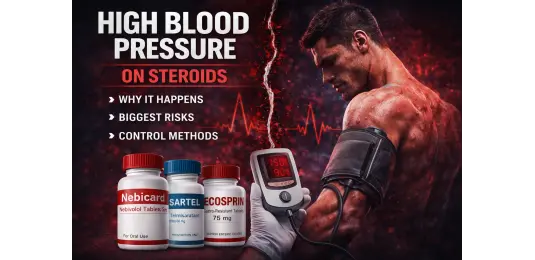
High blood pressure is one of the most common real-world health problems during anabolic steroid use, yet it is also one of the most ignored. Many users focus on visible side effects like acne, bloating, or hair loss, while blood pressure quietly rises in the background. That is what makes it dangerous. It does not always feel dramatic, it does not always produce obvious symptoms early, and it can still put serious stress on the heart, blood vessels, kidneys, and overall recovery capacity.
In bodybuilding terms, high blood pressure on cycle is rarely just one isolated problem. It is usually the result of several things happening at once. Water retention goes up, body weight rises, red blood cell levels may increase, cardio conditioning often declines during heavy gaining phases, and certain compounds push the entire system toward more strain. Blood pressure management should never be treated like a side topic. It is part of building a cycle that is actually sustainable.
The good news is that blood pressure issues on cycle are not random. They usually follow recognizable patterns. Once those patterns are understood, the risk becomes much easier to monitor and control. The real goal is simple: understand why pressure rises, know which compounds create the most trouble, recognize the warning signs early, and use support strategies before the whole phase starts feeling harder than it should.
Why Blood Pressure Rises on Steroids
Blood pressure usually increases on cycle because the cardiovascular system is forced to deal with more total stress. One of the biggest reasons is water retention. When the body holds more fluid, total blood volume rises, and that makes the heart work harder. This is especially common in testosterone-heavy phases, wet bulking stacks, and cycles where estrogen control is poor.
Another factor is increased red blood cell production. Some compounds can shift blood markers in a way that makes circulation more demanding. Even when that change seems useful for endurance or gym output, it can still add pressure to the cardiovascular system. Combine that with weight gain, sodium-heavy eating, inconsistent cardio, and stimulants, and blood pressure can climb faster than many users expect.
There is also a basic lifestyle problem behind many cycle-related blood pressure issues. Offseason phases often come with more food, less conditioning work, and more total body mass. Even before the drug side is analyzed, that alone can raise blood pressure. Steroids simply amplify an environment that is already moving in the wrong direction.
Water Retention, Estrogen, and Pressure
One of the clearest links between steroid use and blood pressure is water retention. When estrogen climbs too high, users often notice the cosmetic side first: puffiness, soft look, and bloating. But under that visible layer, blood pressure can also start moving upward. That is why estrogen management matters for more than appearance.
In testosterone-based cycles, poor estrogen control often means the user is carrying more fluid than necessary. That extra fluid places more strain on circulation and can make blood pressure harder to manage. This is one reason compounds such as Arimidex, Aromasin, and Femara show up so often in support discussions. They are not just about dry look and side-effect control. They can also influence how heavy and pressurized the whole cycle feels.
If estrogen is not managed well, the cycle often becomes softer, heavier, and harder to control. In many setups, estrogen management is part of cardiovascular management too.
Which Compounds Raise Blood Pressure the Most
Not every compound pushes blood pressure the same way. Some tend to be more problematic because they drive water retention, body weight, stimulation, or overall cardiovascular stress more aggressively. High-dose testosterone is a common example, especially when estrogen is not managed well. Wet bulking compounds can also create a heavier and more pressurized environment simply because the user ends up carrying more fluid and more total size.
Trenbolone is another compound that frequently comes up in blood pressure discussions. Even when the visible water retention is not extreme, many users describe the overall system stress as much higher. That matters because blood pressure is not only about water. It is also about how hard the body is being driven. Products like Trenbolone 100, Trenbolone 200, and TriTren 150 tend to sit in cycles where overall stress is already elevated.
Bulking stacks built around compounds like Deca 300, Deca 500, Anadrol Inj, Oxymetholon, or heavy testosterone blends may also contribute through bodyweight gain, appetite-driven overeating, and a softer, more fluid-heavy look. This does not mean every user on these compounds will have blood pressure problems. It means the risk is more structural and should be treated seriously.
Fat-loss phases can create their own blood pressure issues too. Stimulant-heavy approaches involving Clenbuterol or Salbutamol may not always produce the same wet look as a heavy bulk, but they can still increase cardiovascular strain in a different way. That is why both mass cycles and cutting cycles can run into blood pressure trouble, just through different mechanisms.
Signs You Should Not Ignore
One reason blood pressure is missed so often is that some users wait for extreme symptoms before taking it seriously. That is a mistake. Mild to moderate elevation may not produce a dramatic signal at all. When symptoms do appear, they can include headaches, facial flushing, shortness of breath, unusual fatigue, pounding heartbeat, dizziness, or feeling pressure in the head during training.
Some users also notice that their cardio capacity drops hard during the cycle. They feel heavier climbing stairs, breathing becomes less efficient between sets, and recovery during training gets worse. That does not always prove high blood pressure by itself, but it often points to a cycle environment that is becoming much harder on the system.
The most important point is simple: do not guess. Blood pressure should be measured, not assumed. A cheap home monitor is more useful than ten forum opinions, because numbers tell you what your body is actually doing right now.
Why Bigger Bodyweight Often Means Bigger Risk
Many users think about blood pressure only in terms of the compounds, but the size of the phase matters just as much. When bodyweight climbs fast, especially through food volume, water retention, and reduced conditioning, blood pressure often follows. A cycle that adds size quickly may look productive in the mirror, but the cardiovascular system still has to carry that extra total load.
This is why classic mass phases often create more pressure-related complaints than cleaner lean-growth phases. The problem is not only the chemical profile of the stack. It is the whole environment: more food, more sodium, more body mass, less cardio, more fluid, and often worse sleep. Blood pressure usually reflects that entire package.
Different growth styles create different levels of cardiovascular pressure, even when both are technically mass setups. Heavier, wetter phases usually create a harder environment to manage than cleaner long-growth phases.
How Lifters Usually Try to Control It
Real-world blood pressure control on cycle usually starts with reducing the obvious drivers. First comes monitoring. If the user is not checking blood pressure regularly, there is no real control plan. After that, the next step is usually looking at the cycle itself. Is estrogen too high? Is water retention obviously out of control? Has bodyweight climbed too fast? Is the user combining heavy mass compounds with stimulants, poor sleep, and little cardio?
Once those questions are addressed, support products start to make more sense. In practical bodybuilding circles, compounds like Nebicard 2.5 mg and Nebicard 5 mg are commonly discussed when users are looking at heart-rate and blood-pressure support in a more structured way. Products like Sartel 20 mg and Sartel 40 mg also come up often in cardiovascular support conversations, especially when users are trying to clean up a pressure-heavy cycle environment.
There are also situations where users think more broadly about vascular support and circulation-related strategy, which is one reason products like Ecosprin 75 mg are part of the MedRX side of the site. The larger point is not that a support product cancels out a reckless cycle. The larger point is that once blood pressure becomes a real issue, support planning has to become more serious and more intentional.
Cardio, Food Quality, and Why Support Is Not Just a Pill
One of the biggest mistakes on cycle is assuming that blood pressure can be fixed only with medication while everything else stays chaotic. In practice, blood pressure responds strongly to routine quality. Cardio matters. Food quality matters. Sodium intake matters. Sleep matters. Daily stress matters. If those parts are ignored, even a good support product may feel like it is fighting uphill.
For many users, simply bringing back regular low-intensity cardio changes the entire feel of the cycle. Better conditioning often improves recovery between sets, reduces the heavy feeling that builds up during a mass phase, and supports a less stressed cardiovascular baseline. Cleaning up food sources and reducing unnecessary sodium overload can also make a noticeable difference, especially when the cycle is already water-heavy.
Sleep is another major factor. Poor sleep makes everything worse: blood pressure, stress response, appetite control, and training recovery. That is one reason cycle support should always be viewed as a whole-system issue, not just a product issue.
When the Cycle Itself Is the Problem
Sometimes the most honest fix is not adding more support. It is admitting that the stack is too aggressive for the user's current condition. If blood pressure is climbing, breathing feels worse, cardio capacity is dropping, and water retention is obvious, then the cycle design may simply be wrong for the person running it.
This is especially true when users combine heavy aromatizing compounds, stimulants, large food intake, and minimal conditioning. At that point, blood pressure is not a minor side effect. It is a warning that the whole phase is pushing harder than the body is handling well. Support products can help, but they should not be used to justify ignoring the bigger structural problem.
Prevention Is Easier Than Repair
Like many side effects on cycle, blood pressure is easier to prevent than to fix once it becomes a real issue. Smarter compound choice, better estrogen control, slower bodyweight gain, regular cardio, and consistent monitoring usually prevent a lot of problems before they grow.
Cleaner cycles are often easier to support than overloaded ones. A user does not need to wait until headaches or visible pressure signs appear to start paying attention. In fact, by the time those symptoms show up, the body has often been under strain for a while already.
That is why blood pressure deserves the same attention as liver markers, lipids, and post-cycle recovery. It is not optional background information. It is part of whether the cycle is actually sustainable.
Final Thoughts
High blood pressure on steroids is common because steroid cycles often create exactly the kind of environment that drives pressure up: more fluid, more bodyweight, more stress, worse conditioning, and more total cardiovascular strain. The risk is real, but it is also manageable when the user is honest about what the cycle is doing and consistent about monitoring it.
In practical terms, the best approach is simple. Measure it. Respect the warning signs. Control water retention. Do not let bodyweight and food quality get sloppy. Use support products with a purpose, not as an excuse to ignore a badly built cycle. The more structured the approach, the easier it becomes to keep blood pressure from turning into the side effect that ruins the whole phase.
FAQ
Do steroids really raise blood pressure?
Yes, they often can, especially through water retention, higher bodyweight, and increased overall cardiovascular strain during a cycle.
Which steroids are most likely to affect blood pressure?
High-dose testosterone, wet bulking compounds, and stress-heavy compounds like trenbolone are often the most common triggers.
Can high estrogen make blood pressure worse on cycle?
Yes, poor estrogen control often increases water retention, and that can make blood pressure harder to manage.
What products are commonly discussed for blood pressure support?
In real-world cycle support discussions, products like Nebicard, Sartel, and Ecosprin often come up as part of a broader management strategy.
Can cardio and diet really help lower blood pressure on cycle?
Yes, regular cardio, better food quality, and more controlled bodyweight gain can make a meaningful difference.