
Is Classic Physique Getting Bigger Every Year?
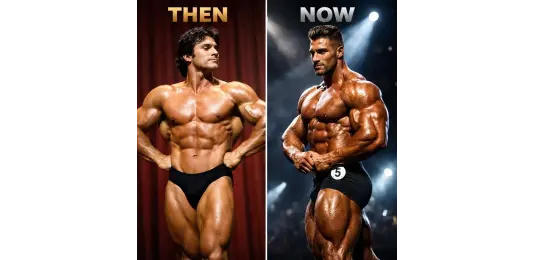
The Original Vision of Classic Physique
When Classic Physique launched, it was positioned as a contrast to Open Bodybuilding. For several seasons the criteria appeared consistent: tight waists, controlled conditioning and streamlined proportions defined the winners.
Recent Stage Observations
Over the last competitive cycles, observers note that top competitors appear noticeably thicker through the chest, back and legs. Comparisons between stage photos from 2018-2020 and more recent Olympia lineups show increased muscle maturity and density across the board.
Natural Evolution or Competitive Escalation?
Several factors may explain the shift: as competition intensifies, athletes push closer to the upper limits of the division's weight cap to stay competitive, while judges continue to emphasize balance and presentation. That dynamic may unintentionally drive the division toward a heavier appearance even if official criteria remain unchanged.
Judging Standards Under the Microscope
Industry insiders note that the judging emphasis on balance can reward more mature tissue at the same waistline. Whether that is a criteria change in practice or just the natural result of deeper talent pools is the open question of the division.
Community Reaction
Opinions are divided: some celebrate the fuller look, others argue it erases the aesthetic that made Classic distinct. Coaches are adapting strategies to walk the line between maximizing size and preserving aesthetic flow - a balance that may define the future of the division.
What to Watch in 2026
Attention will focus on whether judges reinforce tighter aesthetic standards or continue rewarding larger, more mature physiques - and how the top athletes calibrate their prep in response.
Related Coverage
Cholesterol on steroids - the lipid cost of size-focused prep.
Kidney stress on steroids - filtration load at high doses.
High blood pressure on steroids - the cardiovascular side of growth.
Keep Reading
Events and News - more bodybuilding coverage.