
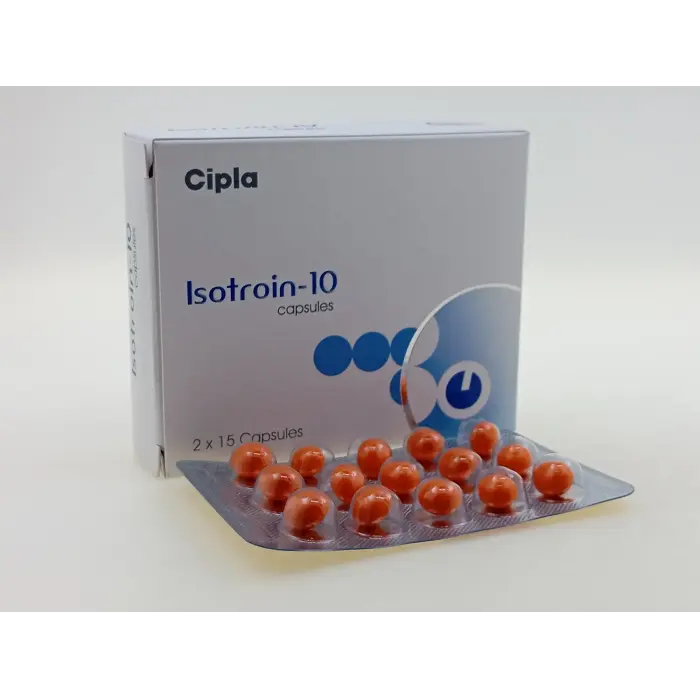
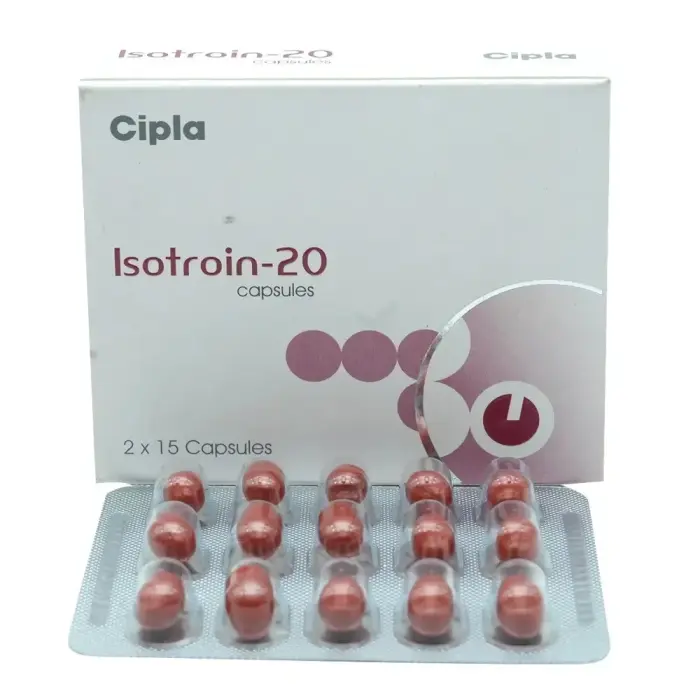
Isotroin
- Active Substance: Isotretinoin
- Form: Capsules
- Use Case: Acne treatment
- Utility Score: 10/10
- Side Effects Score: 7/10
- Key Benefits: Reduces severe acne
Isotroin (Isotretinoin) — Advanced Acne Management
Isotroin contains Isotretinoin, a retinoid-based compound used for the treatment of moderate to severe acne, particularly in cases where other therapies have not provided sufficient results. It works by reducing sebaceous gland activity, decreasing oil production, and helping prevent clogged pores, which are key factors in acne development.
Unlike topical treatments or short-term therapies, isotretinoin targets multiple underlying mechanisms of acne, making it one of the most effective options for long-term skin improvement. It is commonly used when persistent breakouts, inflammation, or cystic acne require a more comprehensive approach.
This type of treatment is typically part of a structured plan, as the effects develop over time and depend on consistency, proper monitoring, and individual response.
Main Effects
The primary effect of Isotroin is a significant reduction in oil production, which helps limit the environment where acne develops. This leads to fewer breakouts, reduced inflammation, and gradual improvement in skin clarity.
Over time, many users experience smoother skin texture, fewer active lesions, and a reduction in recurring acne cycles. The long-term effect often includes more stable skin condition even after treatment is completed.
How It's Commonly Used
Isotroin is typically used as part of a structured acne management plan under guidance, with intake adjusted based on individual condition and response. Consistency is important, as results develop gradually over a longer period.
Users often combine treatment with supportive skincare routines, hydration, and general skin protection strategies to improve comfort and overall outcomes.
Dosage Flexibility
Isotroin allows flexible use depending on individual tolerance, severity of acne, and treatment goals. Different approaches may be used to balance effectiveness and tolerability over time.
Adjustments are typically made based on response and side effects, making it important to follow a structured plan rather than making abrupt changes.
Why Isotroin Stands Out
Isotretinoin-based treatments are widely recognized as one of the most effective solutions for persistent and severe acne. Unlike many alternatives, it addresses oil production, inflammation, and pore blockage simultaneously.
This comprehensive action makes it a common choice when other treatments fail to deliver long-term results.
Side Effects and Control
Isotretinoin can cause noticeable side effects such as dry skin, dry lips, and increased sensitivity, especially during the initial stages of use. These effects are expected and are usually manageable with proper care.
Regular monitoring, hydration, and supportive skincare are commonly used to reduce discomfort. Because of its potency, structured use and supervision are important for safety.
Conclusion
Isotroin provides advanced acne management through the action of isotretinoin, targeting the root causes of persistent breakouts. Its comprehensive mechanism supports long-term skin improvement.
When used correctly, it helps reduce acne severity, improve skin clarity, and support more stable skin condition over time.
What is Isotroin used for?
Isotroin is used to treat moderate to severe acne
How long does isotretinoin take to work?
Improvement usually appears gradually over several weeks
Does Isotroin permanently cure acne?
It can provide long-term remission in many cases
What are the side effects of isotretinoin?
Common effects include dry skin and increased sensitivity
Can isotretinoin be used for mild acne?
It is usually reserved for more severe or resistant cases
Related Products


